
Eyre is 10 years old. She loves spending most of her time with plants. One day, she was changing the location of the pea plant. She noticed that the roots of the every pea plant are directed towards the lake.
She was so surprised. She told this to her mother. Her mother explained that plants can respond to sound vibrations. She got so excited that plants could hear.
What are plants?
Plants are the multicellular eukaryotes and have a cell wall.
Multicellular means having more than one cell.
Eukaryotes are the organisms with proper nucleus. The brain controls the human body and the nucleus controls cell.
Cell wall is the covering around the cell.
Can plants see?
Plants don’t have eyes like we do so they can’t see like us. But plants can sense light.
Researchers experimented and found that plants were bending towards the sunlight.have seen the sunflower bending towards light. Didn’t you?
Have you ever seen the sun flower bending towards light?
There’s a video for you to see how sunflower moves towards the sun.
Do you want to know how plants detect light?
Plants have photoreceptors—a structure in living organisms that is responsible for detecting light— that are located on the leaves of plants. These photoreceptors are responsible for observing sunlight that then helps plants to grow.
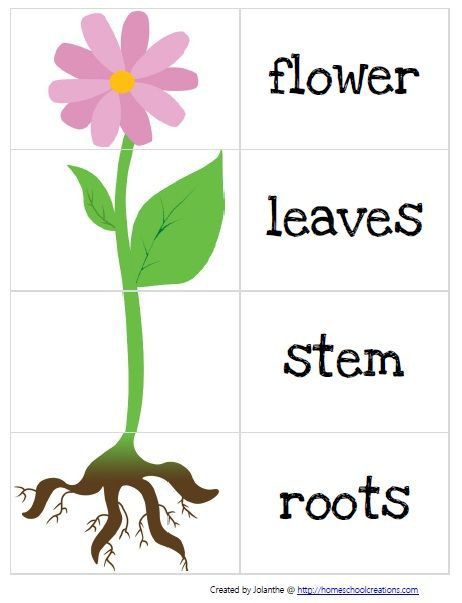
can you see the plant’s structure with me?
So let’s begin!
Plants have:
- Roots
- Stem
- Leaves
- Reproductive system
Roots
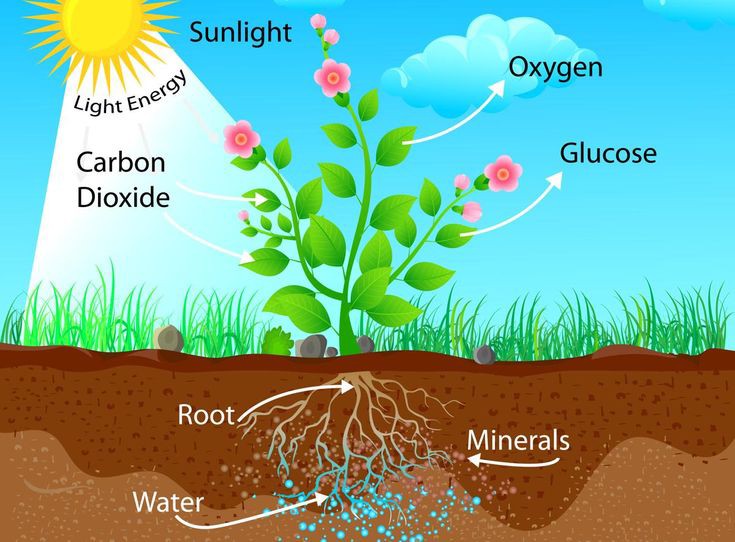
It’s a part of a plant that is under the ground for the absorption of water and minerals (solid substances) from ground.
Stems
The stem is the connection between roots and the leaves. It helps in the transfer of water and minerals to leaves.
Branch
The stem further divides into branches. These branches help in the transfer of food, minerals and water in the plant.
Leaf
Leaf is the outgrowth of a branch. The leaves are those parts where food is formed and a gas called carbon dioxide from air enters into plants.
Reproductive system
Reproduction means the development of an offspring from a parent and reproductive system is the system of organs and parts through which the process of reproduction occurs.
The reproductive system includes these parts of a flower:
- Stamens
- Pistil
- Sepal
- Petals
For knowing the details click here: https://cooldata.science.blog/2022/08/24/flowers/
Do plants eat
Of course, they do!
What do they eat?
Plants eat glucose and starch.
Plants take water and minerals from the ground and carbon dioxide from the air. They cook these ingredients with the help of sunlight and make their favorite food called glucose and starch. They also release oxygen for us during this process.
Looks like plants are great chefs!
How do ocean plants cook their food?
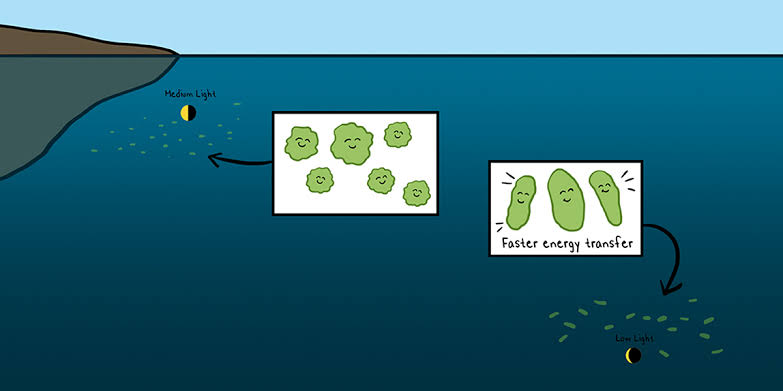
In oceans as sunlight is less so plants can’t cook their food alone. So they take the help of a bacteria called cyanobacteria. And this bacteria further takes help from proteins called phycobiliproteins. These proteins help in the absorption of light for plants.
Can a plant smell?
Oh yes! Plants do smell.
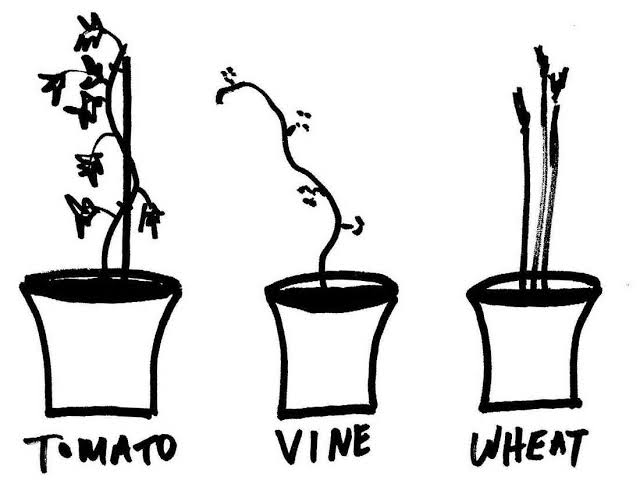
A botanist named Daniel Chamovitz experimented. In this experiment he put a dodder vine pot in between the wheat plant pot and tomato plant pot. He noticed that the vine was going towards the tomato.
Looks like plants are choosy too!
But how do they smell?
Plants don’t have a nose so they release chemicals in the air. These chemicals turn the genes—gene is a structure that is responsible for transmission of characteristics from parents to offsprings—on, as a result a plant responses.
Read this, https://cooldata.science.blog/2022/08/26/genes/ if you want to go in depth about what genes are.
Now don’t think that plants can also feel pain! If you have thought then no they don’t feel any pain.
From where plants came on land?
Land plants have come from blue green algae that is present in the ocean.
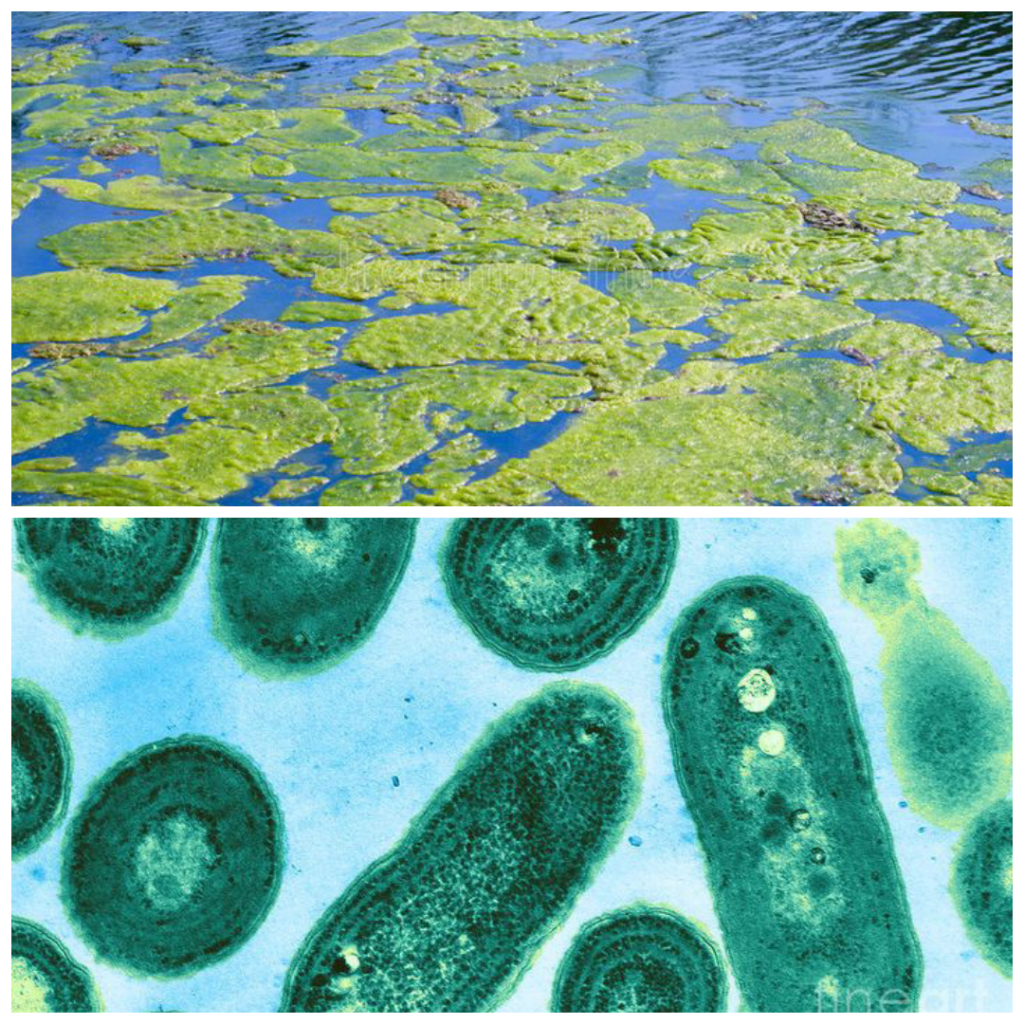
With the passage of time, plants adopted some changes for survival in the land’s environment. They developed roots (as land was dry), stems, leaves and the two copies of each gene (if sun radiation damages one then another can carry out functions) and lignin—it’s a molecule that makes efficient tissues so that they don’t leak the fluid.
Can plants feel the touch?
There is a plant known with many names like touch me not, shame plant and mimosa pudica.
Whenever you touch the shame plant it will close its leaves. So it means plants do feel when you touch them.
How can this happen?
When we touch these plants they release chemicals. These chemicals get the water out of the leaf and store it in the base of the leaves. As a result, it closes.
Do you know some plants eat meat?
Don’t worry, they will not eat you; I am talking about insects.
Venus fly traps are one of those plants.
Let’s know how it eats!
First, it produces sweet juice called nectar to attract insects. Then when insects come, it closes and eats them.
What a clever plant!
Let’s know a little more: these plants have small hairs. When a crawling insect touches its one hair it closes a bit and if that insect touches its other hairs in 20 seconds it closes more. If the insect is large then the insect will touch its other hairs within 20 seconds and it will close itself completely. But if the insect is small then that insect will not be able to touch its hairs in 20 seconds so it will not close. In this way, venus fly trap doesn’t have to waste energy on less nutritional meals.
Isn’t it smart!

 Science club
Haha what plants also do these things ? Wow It was interesting to know … thanks for the info ❤️
LikeLiked by 1 person
My pleasure ❤️
LikeLike