Are you a good parent?

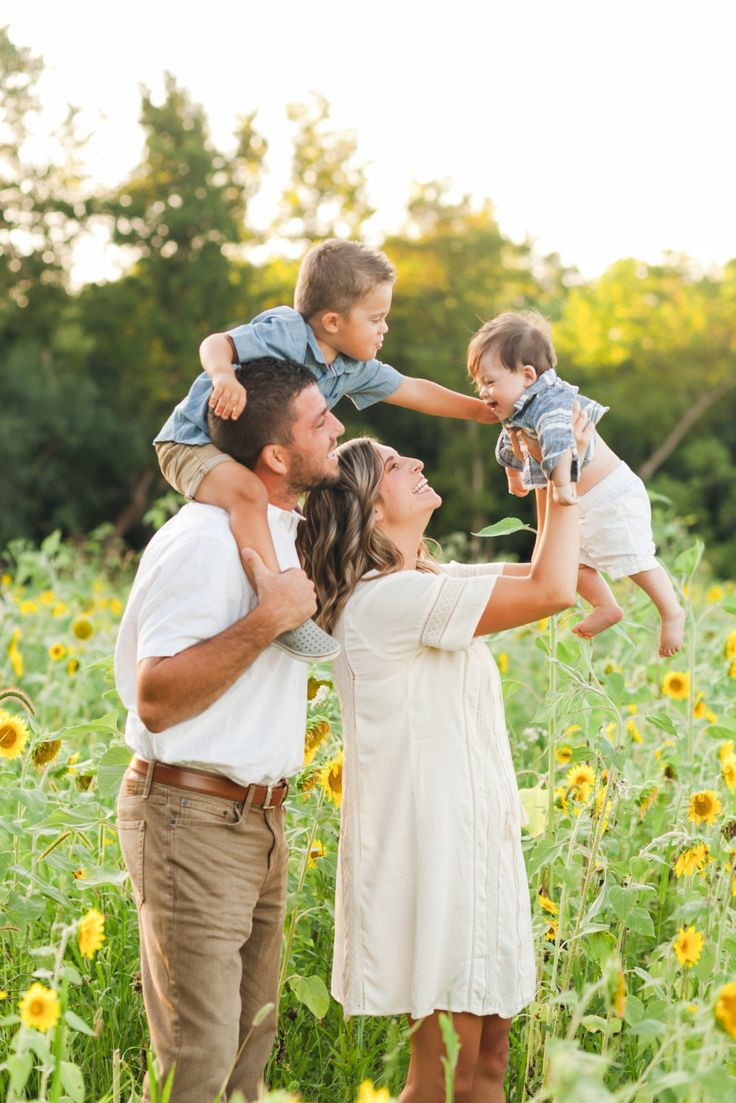
You may have children but have you ever thought you are a good parent or not?have you ever thought how your behavior can affect your child? Believe me it affects more than you think!

Let’s go into details and make the wrong right.

Parenting

Parenting is the process of raising children from childhood to adulthood.

It means: it’s you who is going to make your child successful, kind, confident or self doubting, unsuccessful and selfish.

To be in your children’s memories tomorrow you have to be in their life today.

Let’s see what your parenting style is

There are four parenting styles

  • Authoritative
  • Authoritarian
  • Permissive
  • Uninvolved

Authoritative

These types of parents are:

  • They create a strong bond with their children.
  • Parents set rules for their children and tell them how it’s useful for them.
  • Parents develop an authority over their children but they also listen to their children and take their opinions.

As a gift, these children become self- disciplined, confident and do well in academic activities and become successful people.

Authoritarian

This parenting style involves parents that are:

  • They think that they are always right and they don’t need to listen to their children.
  • They set rules and if their children don’t obey they give them physical punishments.

As a result, children become liars, they face depression and develop self esteem problems.

Permissive

Permissive parents are those:

  • Who doesn’t set any rule for their kids.
  • They only step into serious problems.
  • They allow their children to do whatever they want. If their children make a mistake they rarely react.

As a result, children become careless and face academic issues.

Uninvolved parenting

Such parents are:

  • These parents don’t look after their children.
  • They rarely talk to them.
  • They don’t take care of their needs.

As a result, children face behavior issues, they lack self worth and they mostly stay sad.

So, you might have seen which type of parents you are and what will happen if you apply a certain parenting style.

Parents kill more dreams than anybody else can.

Which type of parenting style should you adopt?

You don’t need to apply only one parenting style besides you should keep on changing your parenting style according to the situation.

Let’s understand with an example.

There was a boy named Jack. One day, he had a fight with his classmate. He went to his home angrily. His mother asked him. He told everything then his mother told him to find his mistake and make them right (she acted like authoritative parents). The next day, he had a test and he used mobile whole day and didn’t prepare. He got zero. Then his mother acted strictly and set rules for him just like authoritarian parenting style. Then he grew up and he had to choose his career, he asked his parents and he got a reply that it’s your life; you have to choose what you think is best for you. Then he found out what was best for him and he did well in his career and became a successful person.

You saw how his parents used different parenting styles and made him a successful person!

Now, it’s your turn.

The best inheritance a parent can give to their children is a few minutes of the day.

Wait, there’s more!

Your children always keep on noticing you. They see what you do. Whatever you’ll do they’ll do as it is. If you love them, their oxytocin(feel good chemical) will be released that will make your child calm, loving, empathic and self awared. But if you shout at them and beat them cortisol and adrenaline will be released and they will block the path of feeling good chemicals and make your child fearful, unable to solve problems, depressed and anxious.

Do you want this?

You can make a difference

If you had parents that were not good to you so don’t repeat that same mistake. Their bad parenting may have affected you a lot but now it’s you who is going to make everything right. If you have any problems in your life and you feel that’s because of your parents then you should overcome those problems. Try to improve and make yourself what you want yourself to be. Join a good company because the environment also affects you so by getting a good environment you can be better but you need to work on yourself.

If you want it then you can do it.

Success depends on you

Who was outside the window?

There was darkness everywhere. Jasmine was laying on her bed staring at the clock; it was 2 am. She looked at the window. Someone was standing. She screamed, cried and ran. She told her parents. They came and saw there was no one but she can still see there is someone. Her parents were too worried and started researching and that’s what they found:

Visual Hallucination

It’s a mental illness in which you see the things that don’t even exist.

Why did she have a virtual hallucination?

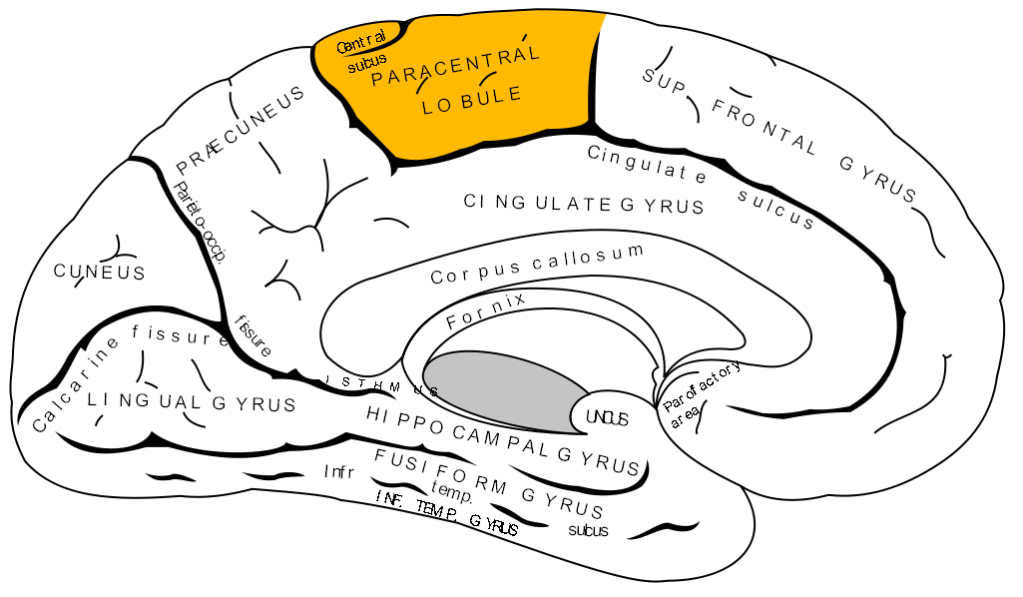
The doctor scanned her brain and found that she had less grey matter(Grey matter contains most of the brain’s neuronal cell bodies) in the following:

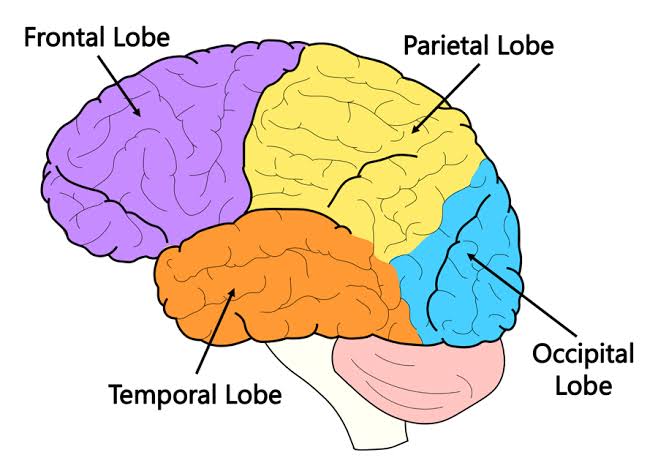
  • cuneus :a smaller lobe in the occipital lobe of the brain.
  • fusiform gyrus: the fusiform gyrus is located on the basal surface of the occipital and temporal lobe.
  • The occipital cortex: the occipital cortex is the seat of most of the brain’s visual cortex, allowing you not only to see and process stimuli from the external world, but also to assign meaning to and remember visual perceptions.
  • inferior parietal lobule: the inferior parietal lobule of the left hemisphere lies at the junction of the auditory and visual cortexes.
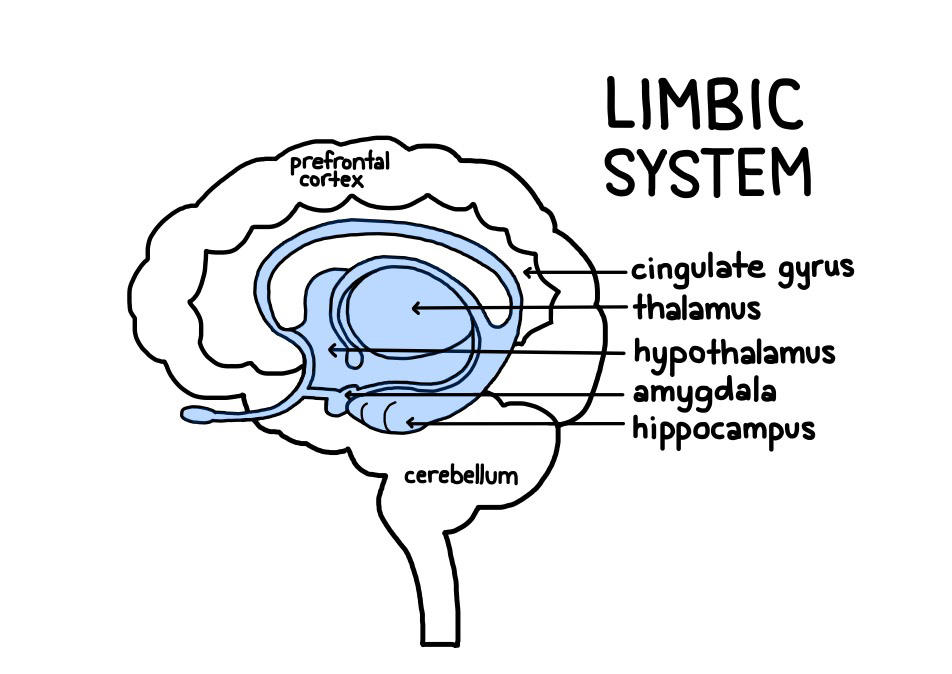
  • cingulate gyrus: an important part of the limbic system, the cingulate gyrus helps regulate emotions and pain.
  • Precentral gyrus: the precentral gyrus is on the lateral surface of each frontal lobe.
  • lingual gyrus: a brain structure that is linked to processing vision, especially related to letters.
  • and paracentral gyrus: the paracentral lobule is located on the medial surface of the cerebral hemisphere, and includes parts of both the frontal and parietal lobes.

Want to know about more brain parts? Click here https://cooldata.science.blog/2022/09/02/brain-parts/

What else can cause virtual hallucinations?

  • Delirium
  • Dementia lewy body
  • Charles bonnet syndrome
  • Antone’s syndrome
  • Seizures
  • Migraines aura
  • Sleep disturbance
  • Drugs
  • Tumors
  • Inborn errors of metabolism
  • Creutzfeldt Jakob disease
  • Parkinson’s disease

Don’t know what these mean? Ok, let me explain.

Psychosis

It disturbs the ability of a person to sense and think. A person may have difficulty in differentiating the fake and real things. Brain tumors, drugs, stroke and brain infection can cause psychosis.

Delerium

It’s a mental state in which you feel confused and unable to think and remember things clearly. It’s due to surgeries, poisoning, infections, severe pain, and organ failure.

Dementia lewy body

It’s the loss of ability to think, remember and reasoning. People become unable to control emotions and their personalities may change as well. The causes of dementia are: brain tumors, side effects of medicine, infection, and lack of nutrients.

Charles bonnet syndrome

It’s a disease that causes a person to see things that aren’t present when their sense of vision starts spoiling.

Antone’s syndrome

It’s a rare symptom of the damage in the occipital lobe of the brain. It’s major cause is stroke.

Seizures

It’s a sudden electric disturbance in the brain. It affects consciousness, feelings, and behavior. The causes of seizures are: brain tumors, infection, high fever, lack of sleep, very high or very low sugar level, and extreme stress.

Migraines aura

It’s a headache that happens after or at the same time as sensory disturbance. It can cause vision changes. The causes of migraines are: stress, bright light, some foods, medications, too much or too little sleep.

Brain tumor

It’s the abnormal mass of tissues in which cells grow and multiply uncontrollably. Large amounts of radiation, x-rays, previous cancer treatment and gene injuries can cause brain tumors.

Inborn genetic error

It’s a genetic error in which the body is unable to convert food into energy properly. It causes high acid levels, low sugar levels, abnormal liver function, blood cell abnormalities and seizures.

Creutzfeldt Jakob disease

This disease is rare and it keeps on effecting the brain. The brain keeps on damaging over time. It causes loss of memory, loss of brain function, blindness and change in personality.

Parkinson’s disease

It’s a brain disorder that causes uncomfortable movement. It’s due to the loss of Neve cells in the brain.

How did jasmine become normal?

She was treated by medicine named cholinesterase inhibitors. These work by increasing the level of chemical messengers in the brain that are important to memory, thought and judgement.

Other treatments

The treatment of visual Hallucination depends upon the cause.

Delerium, dementia, parkinson’s disease and psychosis is treated by antipsychotic medicines. They block the effect of dopamine_a chemical that transmits messages in the brain.

Unfortunately, there is no treatment for Charles bonnet syndrome.

Anton’s syndrome is treated by antidepressants.

Seizures are treated by: antiepileptic drugs, surgery to remove small parts that cause seizures, by putting electrical devices inside the body to control seizures and a ketogenic diet_a diet with low carbs and high fat.

Migraine aura is treated by medication for lowering blood pressure, botox injections and anti-seizure drugs.

Surgery, therapy, clinical trials are used to treat brain tumors.

Doctors treat inborn metabolism errors with enzymes_a substance that regulates the rate of chemical reactions, coenzymes, removal of harmful substances, cells and organs transplantation and gene therapy.

Who else wants to know about genes? You? Check this out https://cooldata.science.blog/2022/08/26/genes/

Creutzfeldt Jakob disease is treated with antidepressants and pain killers.

How can you protect yourself from hallucinations?

Don’t be scared of developing this disease in you because this is not going to happen if you’ll do this:

  • Exercise regularly
  • Get enough sleep
  • Don’t take too much stress
  • Try yoga
  • Eat healthy food
  • Don’t use drugs

Wealth of brain

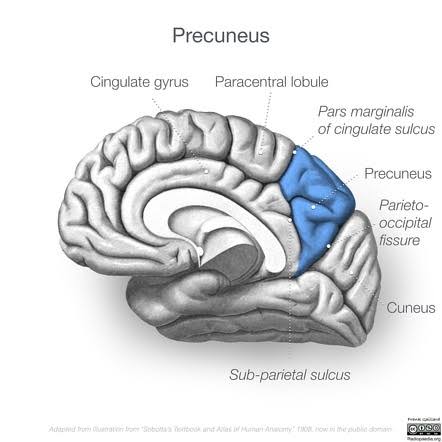
The precuneus is involved in memory tasks, such as when people look at images and try to respond based on what they have remembered in regard to verbal questions about their spatial details. It is involved with the left prefrontal cortex to recall memory.
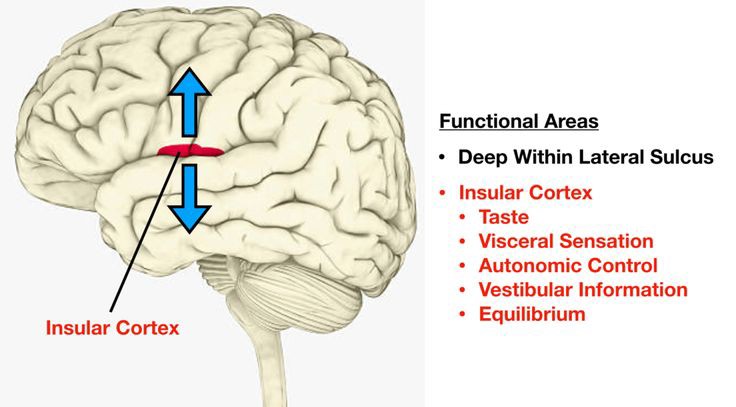
The insular lobe located in both hemispheres of the brain. To visualize it macroscopically, parts of the frontal, parietal and the temporal lobe must be removed.
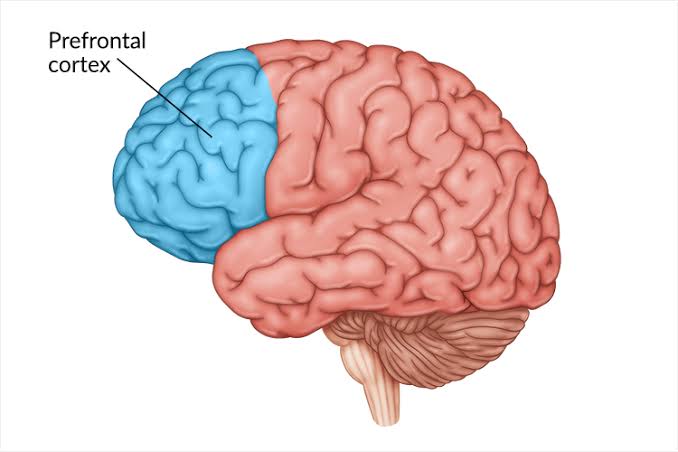
The prefrontal cortex (PFC) plays a central role in cognitive control functions.The prefrontal cortex located on the anteriormost portion of the frontal lobe.
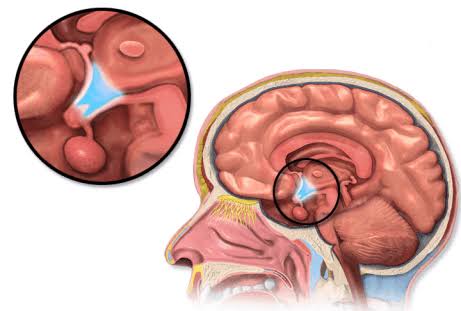
hypothalamus, a structure deep in your brain, acts as your body’s smart control coordinating center.
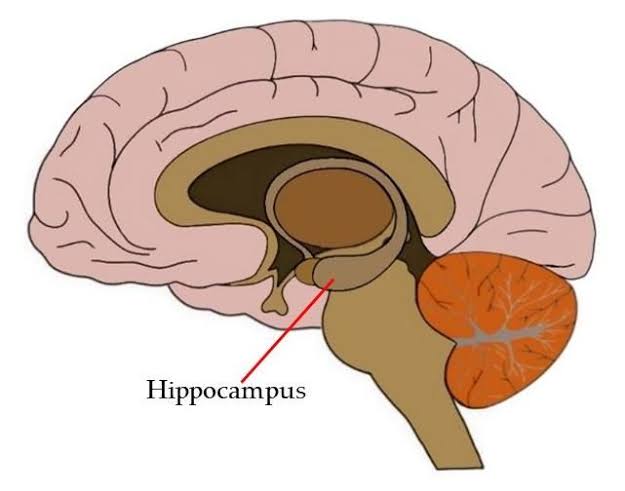
Hippocampus is a brain structure present in the temporal lobe. It has a major role in learning and memory.
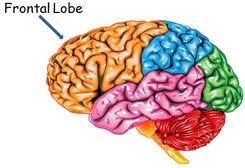
The frontal lobe is the part of the frontal cortex. It is a part of the brain that plays a role in memory, attention, judgment, and other vital functions.
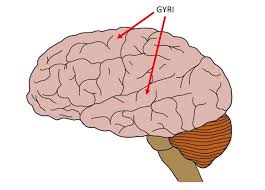
Gyri are unique structures that have an important evolutionary function; they increase the surface area of the brain up to 2000 centimeters squared.
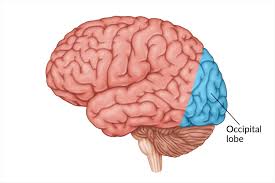
The occipital lobes sit at the back of the head and are responsible for visual perception, including colour, form and motion
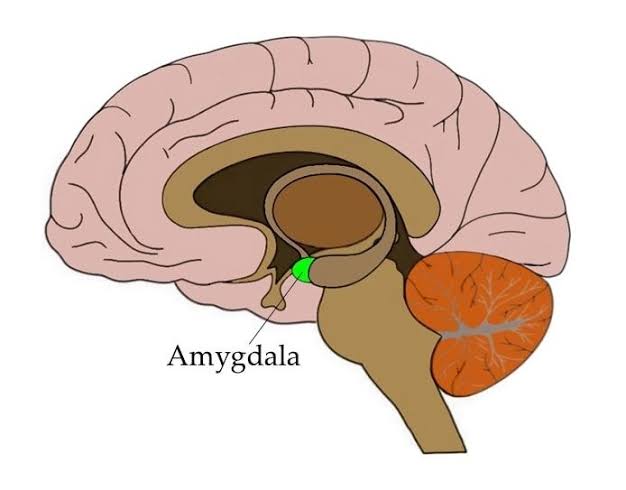
The amygdala is a complex structure of cells in the middle of the brain.The amygdala is primarily involved in the processing of emotions and memories associated with fear.

Who else wants to know about emotions?

Some situations make us happy and some make us sad, but have you ever questioned yourself what’s going inside your body at this time? Is it good or bad?

What are emotions?

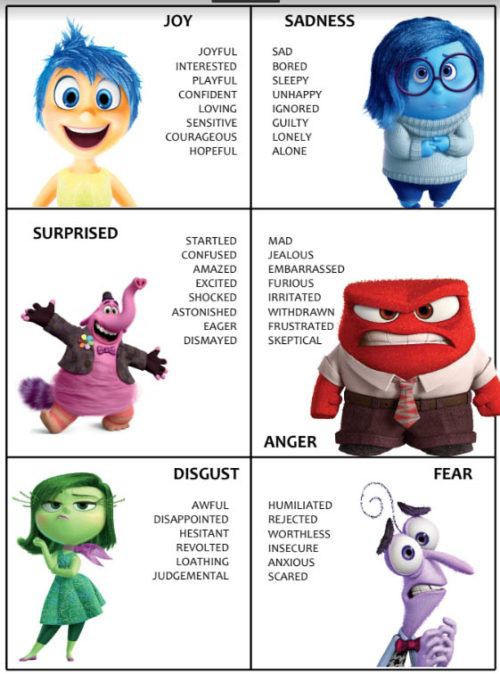
Emotions are the responses to a situation. Some scientists believe that there are thousands of emotions but Paul Eckan proposed that there are six main emotions: happiness, sadness, fear, surprise, disgust and anger. Other emotions are a mixture of these six emotions.

let’s know what happens in your body when you feel certain emotion

Lobes of brain

Your brain is the region that causes you to feel the way you feel at certain moments. Your brain has parts that work together to make you feel the way you do. For activating these parts you have your 6 senses that will tell your brain parts when to activate.

The names of these parts are:

  • Hypothalamus
  • Hippocampus
  • Amygdala
  • Limbic cortex
  • Prefrontal cortex
  • Precuneus
  • Occipital lobe
  • Frontal cortex
  • Gyrus
  • Insular cortex

Quite complex names! But don’t worry you’ll pass through them.

To know more about these parts click here https://cooldata.science.blog/2022/09/02/brain-parts/

How do you get afraid?

When you see something dangerous, your hypothalamus (a part deep in your brain) and amygdala(a structure of cells in the middle of the brain) become active and work together as good friends and make you feel scared. I saw a snake!

How do you get angry?

Amygdala and hypothalamus control anger but they need another friend that is called the prefrontal cortex(a part that is at the front of the brain). These three work together and make you feel angry. How dare you slap me!

How do you get happy?

You become happy when your limbic cortex(an area inside the brain that plays a key role in emotional regulation)becomes active. Your brain also has a part called precuneus that makes you happy. Let’s say you had a gathering; you enjoyed it a lot and when you think about it you become happy. The part that helps you get those memories back is called precuneus. Hurrey, we won the match!

How do you become sad?

The hippocampus is the part that causes your sadness because it makes memories. you’ll feel sad whenever you think about that bad memory. That’s not just it. Your sadness is also the result of the activity of your right occipital(brain has for lobes and occipital is one of them and it’s located at the back of your head), the left thalamus(egg shaped structure in the middle of the brain) and amygdala. I am worthless!
How do you feel disgusted?

Activation and connection of the left amygdala, frontal cortex and insular cortex (a region inside the brain that is not visible from the surface view) causes the feeling of disgust. Yuck, that worm is so ugly!

How do you become surprised?

Feeling surprised is due to the activation of gyrus(raised lines on the surface of the brain) and hippocampus. Wow, what a cute puppy!

Do your hormones also play a role in emotions?

Yes, your hormones(body’s chemical messengers) play a role in emotions. They are released by your brain in response to certain conditions like: when you hug someone important to you, your brain releases a chemical called oxytocin and as a result you become happy.

How do hormones work?

Let’s understand this with an example. Imagine you have seen a lion and it’s coming towards you and he hasn’t eaten anything for one week. Then what will happen? Your heart beats and blood pressure will increase. Your digestion will inhibit. Your breathing rate will increase and you’ll run faster than you usually do.

Why will this happen? because in fear and anger, your brain releases adrenaline.

When these hormones are released, they travel through blood and reach targeted cells that will perform action like running fast.

Do genes play any role in your emotions?

Yes, studies have shown that the sensitivity of emotions in a person is due to genes. The sensitive person experiences emotions more intensely than a usual person does.
Negative emotions are not negative!

“It’s ok to not be ok”

You may think that being scared, angry, sad and disgusted is a bad thing. But no these are not bad things. These are good. How? Let’s say, you are going in front of an audience and you are so scared and questions are coming to your mind: what if I said anything wrong? What if they’ll laugh at me? Thinking this is not a bad thing because your brain is just helping you to prepare yourself for facing the audience. It’s informing you there are people out there who want to listen to you so be careful and show them how capable you are.

Which personality do you have?

You have seen many people with many different faces and some of them may look pretty to you and others don’t but have you ever thought: what do they think? How do they feel? How might their behavior be?

Yes? Then what are you waiting for let’s dig into it!

What’s a personality?

Personality means difference in an individual’s way of thinking, behaving, and feeling.

We all are the best in our own ways.

What are the differences?

These differences are:

  • Extroversion
  • Introversion
  • Openness
  • Conscientiousness
  • Agreeableness
  • Neuroticism

Extroversion:

This is the personality in which people are socially active. They are talkative. They have many friends and are willing to make new friends. These people like to express themselves.

Introversion:

This personality is the opposite of extroversion. These types of people are not talkative. They like to be alone. They have a small social circle. They don’t express themselves to others.

Openness:

These kinds of people always welcome new experiences. They are creative and imaginative. They enjoy doing new things and are willing to learn more.

Conscientiousness:

This personality is all about the people who are self controlled, well organized and they know how to manage their time.

Agreeableneness:

These types of people are selfless, helpful and emphatic.

Neuroticism:

The individuals of this kind are emotionally unstable. They mostly stay sad, angry and frustrated. They experience stress more than others. And they have mood swings.

Now, I think you know which types of people you face and more importantly, you may have found which personality you have. Right?

Did you know there are some personality disordered people as well?

Personality disorder is a mental disease in which you have odd behavior, thinking and feelings.

How can you know if someone has a personality disorder?

There’s always hope.

You can know it by the following:

  • The way someone explains himself.
  • The way someone acts and deals with others.
  • How someone responds to emotions
  • Someone controls impulses.

Luckily, the personality disorder can be treated and some of the treatments are described below:

personality disorder can be treated by

  • Prescribed Drugs
  • Psychotherapist
  • Social worker

How can you help someone with a personality disorder?

For help, you need to create a good relationship with this type of person. Then, you can ask him/ her about his/her stress. You can also advice them to see mental health professionals.

How do you get your personality?

There are two main factors that make up your personality. First is the environment and second is genes. Social media also affects you but the personality that you get from social media is fake and it causes stress. So you don’t need to copy any of your social media heroes or heroins because you are better with your own inner charms.

How does the environment influence your personality?

The sign of truly great parenting is parent’s behavior.

Let me tell you a story:

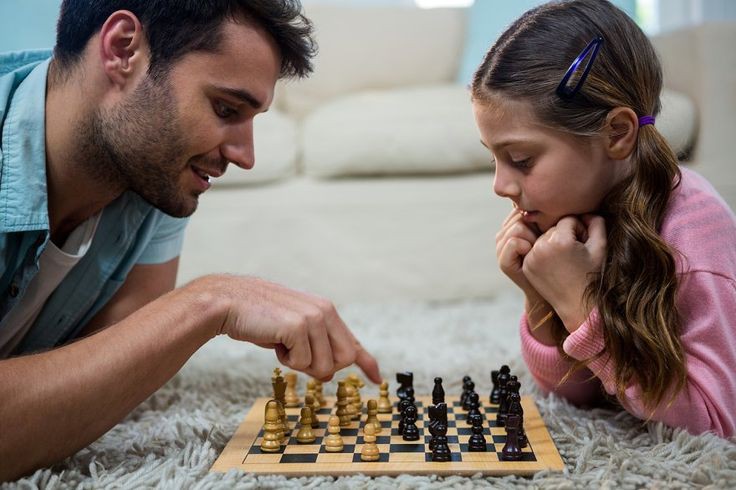
A long time ago there was a man named Lazalo. He had three daughters. He was a man of belief and he firmly believed that “a genius is not born, but is educated and trained”. He filled his house with chess books and posters of the best chess players. Every day, he and his daughters used to play chess against one another. When her oldest daughter was four years old, she started defeating adults. Then his middle daughter did even better. She became the world’s chess champion and then grandmaster. His youngest daughter did best of all. When she was five years old, she used to defeat his father. When she became twelve years old, she was the youngest in the world’s top hundred players. After that she became the youngest grandmaster. When she grew up, she became the world’s first-ranked female chess player.

Did you notice how much parenting and the environment affect children?

What role genes play in personality?

Genes can influence personality but they can’t do anything alone. They work with the environment to do a particular job. For example: if you have genes for emphysema__a lung disease that causes shortness of breath__you will not get emphysema till you smoke. When you smoke, these genes will be activated and you will get emphysema.

Is it possible to change personality?

Yes, you can change your personality but it requires a lot of effort.

Tips for changing personality:

Change your belief. It means that you can only change yourself if you believe that you can. If you don’t believe that you can, then nothing is going to change.

Make new habits. If you are an introvert and you wanna be an extrovert then start sitting with other people regularly and try to push yourself slowly. One day will come when you’ll feel comfortable with other people.

Takeaways:

We have different personalities. Sometimes, we feel like we are less worthy than others. We get stressed. But this moment is not for stress, this moment is for change and improvement. If you keep on improving, one day will come when you’ll become best.

Colorful angels

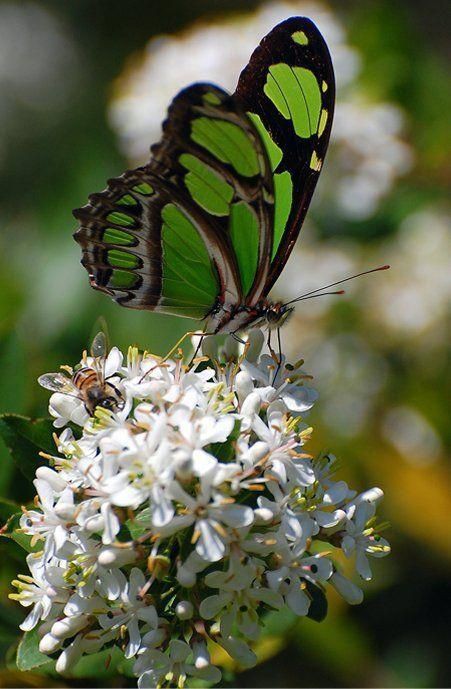
The sky was cloudy, the wind was blowing, the flowers were moving in the breeze, and I was laying on the grass. Suddenly, I saw many flying butterflies; some of them were yellow and some of them were glittery blue. The questions start coming in my mind that from where these beautiful creatures came into existence? Why do they have different colors?

Let’s find out the answers together but first let’s know the main things about butterflies.

I am delighted by the beauty of the butterfly.

What is a butterfly?

Butterflies are present in an order called “lepodoptera”. It’s a Greek word “lepido” means “scale” and “ptera” means “wings”. Moths, butterflies and skippers are included in this order. As the name describes butterflies have scale wings.

Where did butterflies come from?

Changes that separate butterflies from moths.

Once upon a time, there were no butterflies only moths were present. Some moths had issues in drinking so they evolved and developed straw-like mouths. Then bees came in and they were great pollinators so flowers began to produce more nectar. Nectar is a liquid that flowers produce. Then moths came and started drinking it. They became day flyers because during the day, flowers produce more nectar. Then moths changed their dull wings to shiny and colorful wings to attract mate and to avoid predators. And got the name of butterflies.

Isn’t it fantastic?

But why did all the moths not become butterflies?

Because it’s not necessary that every moth has to evolve. Organisms just evolved to survive and those moths were facing survival issues so they evolved. And more importantly, it’s possible that in future there will be a better theory of evolution of butterflies. Scientists are still working on it.

Mating

Butterflies mate to the same species as they are. The male butterfly can recognize the same species by watching the wing pattern and color of the female butterfly. When a male finds a mate he may fly closer to the butterfly__behind or above the female. Or the male does a dance to attract the female. If she is interested she may join him. Then male passes his sperm cell to the female by joining the abdomen. In the female’s egg laying tube, the egg cell fertilizes by sperm cell. The male butterfly often dies after passing the sperm cell.

Now let’s know how butterflies are born?

Just when the caterpillar thought the world was over, it became a butterfly.

There are four stages in the butterflies life cycle called:

  • Egg
  • Larva
  • Pupa
  • Adult

After mating, the butterfly finds a safe leaf where she lays her egg. Along with the egg, she releases a glue-like substance that attaches her egg to the leaf. She can lay one egg or more than one but only few survive due predators and weather.

After 3 to 7 days her egg hatches and a caterpillar comes out. And it eats till it becomes ready to make a cocoon. The baby stays caterpillar for 2 to 5 weeks.

Then in the pupa stage, the baby makes a cocoon around it and stays in it for a few weeks or years.

Finally in the adult stage, a beautiful and eye-catching butterfly comes out. Adult butterflies survive for a week or two or for 18 months.

Now, let’s see from where butterflies get their beautiful colors

Butterflies are nature’s angels.

The beautiful brown or yellow color of butterflies come from a substance that is present in wings called melanin. It works the same as chlorophyll in plants that give plants their green color.

The color of the butterflies keeps on changing because of the reflection of sunlight on the wing’s surface more than once. This phenomena is called iridescence.

How do butterflies know where they are going?

They use the sun’s direction to find out where they are going. And on cloudy days, they use their sense organs to feel Earth’s attraction.

Do you know butterflies migrate?

Butterflies migrate because they are cold blooded insects. It means that they can’t maintain their internal temperature. So they need to move to a place where the temperature is 35° to 40° Celsius.

The hope carries a butterfly up high over the sky.

Conclusion

It looks like nobody has an easy life. Even butterflies have to go through a lot. But still they keep on moving and struggling, no matter what. Should we do the same? What do you think?

Why don’t you look the same as your friends?

I have many students in my class but they all are so different in their looks and in personality as well. My friend Emma is so shy and Judie is so confident. I wonder why this happens? Don’t you wonder? My teacher told me this is because of genes.

What are genes?

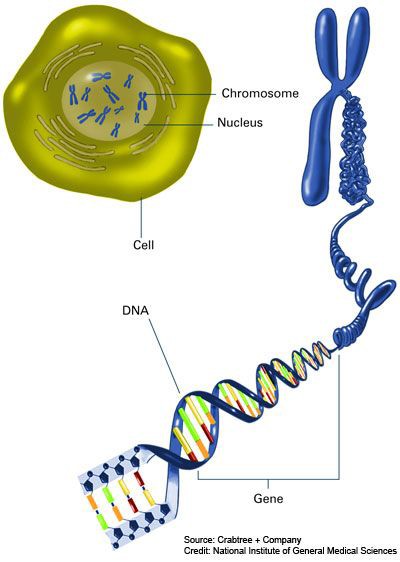
Genes make us who we are, how we look, and which personalities we have. A gene is the basic unit of inheritance; inheritance means transfer of characteristics from parents to offspring. Genes are made up of D.N.A; DNA carries all the information for the development and functioning of an organism. DNA contains thread like structures called chromosomes.

In our bodies we have 20,000 to 25,000 genes. The genes of each cell contain more information than an animal’s encyclopedia. Isn’t it mind-blowing!

We have 46 chromosomes in each cell. We get 23 chromosomes from our father and 23 from our mother.

But why are your siblings so different from you?

Let’s say your father has a dimple and he has two copies for dimples and no dimple D and d. D means you’ll have dimple and d means you’ll not have it. It might be possible that he passes his d copy to you. And D to your sister. There are 50% chances that you’ll have dimples and 50% that you’ll not have. And it might be possible that you both have dimples.

Now let’s know why Emma is shy, ok?

Emma is shy because she has a gene in her called RGS2. Wow, shyness is also because of genes!

Do you know genes also change?

Change can be positive or negative. Let’s first discuss negative change. Negative Gene change is called mutation.

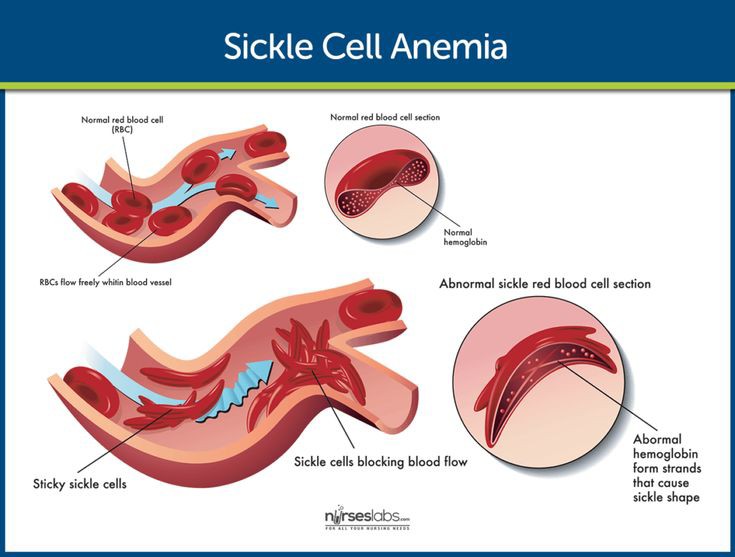
Mutation alters the shape of a gene. When shape changes, the function of genes also change. For example in sickle cell anemia, because of shape changes in genes the shape of red blood cells also changes that affect the oxygen carrying capacity of blood and a person can die.

Now, let’s know about positive change. People have black color in the areas where there is a high amount of U.V radiation. This is because of the change in genes. It protects people from radiation of the sun because low amount of radiation is absorbed in their skin.

Wrapping up

Only genes do not affect human personalities and the way they look because environment also matters. So, if you feel something is missing in you. You need to change the environment. In return, it will change you if you will choose the right environment. And we should improve ourselves because positive changes are good.

Earth laughs

Flowers are the beauty of our planet. Their fragrance, touch and beauty are heart warming.

Now let’s see an interesting definition of flowers and learn about their parts.

Earth laughs in flowers.

What are the flowers?

Flowers are the reproductive part of a plant. Reproductive parts are the parts that are involved in producing new organisms. Flowers are divided into four round shaped parts called whorl.

The outermost whorl is called calyx. Here are sepals of a flower. It is green in colour. It protects inner whorls.

Then comes corolla. It’s the part where petals are present. It’s of different colors depending upon the flower. It attracts pollinators. Pollinators are the organisms that transfer pollen grains from male reproductive part to the female reproductive part. Pollen grains are the male reproductive cells.

Then there is androecium. It’s the male reproductive part. It contains anther and filament. Filament is the thread-like part that carries nutrients to anther. And anther is the part where pollen grains form.

The last whorl of flowers is called gynoecium. It’s the female reproductive part of a flower. It contains style, stigma, ovary and inside the ovary there is the ovule where seeds form.

Formation of seed

First pollen grains enter into stigma then they pass through style and then they fuse with ovule and form seeds.

Parts of flower

We know that flowers have different colors but how do they have different colors?

There is a substance present in the plants called pigment that causes the different colors in flowers. The greater the pigment the darker is the flower.

I like jasmine flowers a lot. Don’t you like it? If yes then we should know more about it.

Every flower blooms at the right time

Jasmine

Jasmine flower is one of the most beautiful flowers in the world. It has the best fragrance. It has about 200 species. So much beauty! Jasmine has a lot of colors like: orange, blue, purple, pink, yellow, white. What’s your favorite color?

Do you know why night blooming jasmine flowers give their fragrance at night?

The reason is that their genes have evolved in a way that they give their scent at night. Because in the morning, there is plenty of warmth and sunlight so all the floral volatile evaporates. Floral volatiles are chemicals or oils that give smell. But during the night they evaporate slowly.

Flowers can’t bloom in a room where they don’t belong.

Ending

The flowers bring Colors to our world. As a lesson, we should also bring Colors to others’ lives.

Secret of glowing sea

Yesterday night I went to the sea shore, I touched the water and it glowed. I was so surprised. Then I started my research and I found out that it was because of marine Life.

You know what marine life is?

Let me explain: the life that’s in the ocean/sea is called marine life. All the life started from the sea here’s the details https://cooldata.science.blog/2022/08/20/our-earth/

And now let’s discuss one of the organisms that glow at night.

Jelly Fish:

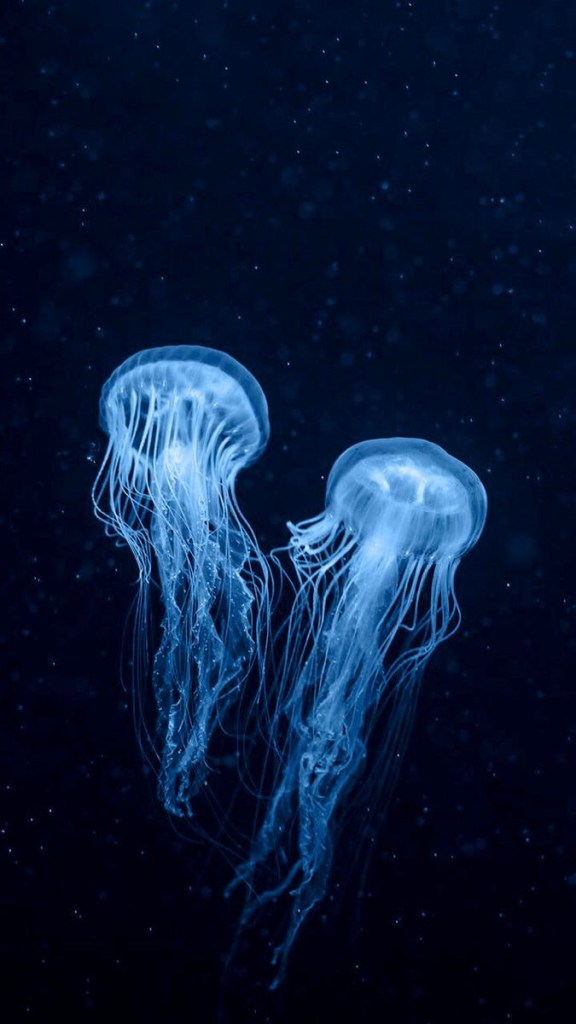
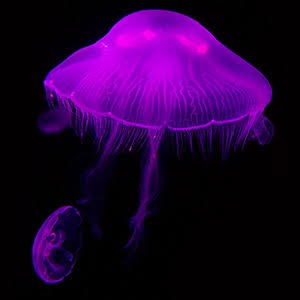
Jelly fishes are the sea creatures that are umbrella shaped bell. Some of them glow and others don’t. They have a slippery and soft touch as jelly. The larvae of jelly fishes attach to the rocks in the sea and when it becomes an adult it separates and starts living its own life. There are many different species of jelly fish. Some species can live for some weeks and some can survive for years. Some jelly fishes are dangerous and others are not. And there are many transparent jelly fishes as well they are called moon jellyfishes. They don’t have a brain, heart and blood. They have reproductive organs that appear as circles. Isn’t it fascinating?

Moon jellyfishes

How can organisms glow?

Luciferin is a substance that reacts with oxygen to make an organism glow. And sometimes luciferin and luciferase_an enzyme_are bound together with oxygen into a single molecule. When calcium ions are present then an organism glows.

Where does luciferin come from?

Some jelly fishes produce their own luciferin and some get it by eating other organisms like: crustaceans.

Why do organisms glow?

The organisms glow to attract the mates or to attract predators.

Mating jellyfishes

Conclusion:

Like other lives marine life is full of mysteries and when we try to solve them, we find something unexpected and these unexpected things give us the taste of life.

Glowing ocean

Mysteries of Earth:

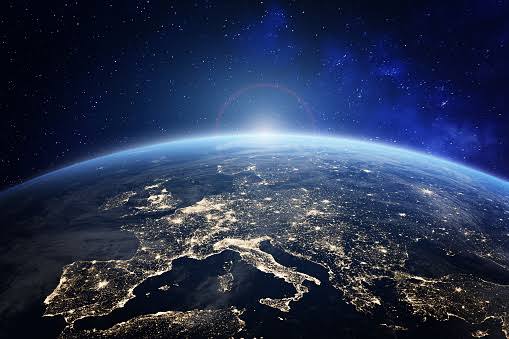
Let’s know about heaven, our home, the place where our loved ones live: Earth.

Earth is our planet that is full of secrets. Let’s know about its secrets: Earth has four layers. The inner most layer is filled with solid iron, then comes liquid iron, then rocks and magma, and then more rocks.

One more secret is that, the liquid iron on earth produces a magnetic field that keeps our atmosphere in place.

How did our dear planet form?

Once upon a time there was only one tiny ball. But then fundamental forces: gravity, electromagnetism, and strong and weak nuclear forces pulled it apart. Scientists still don’t know how these forces worked. Then the universe began to expand slowly. Atoms formed and the universe cooled down. Then atoms combined and formed hydrogen and helium. Then clouds of hydrogen and helium combined and formed Earth.

How did we come to Earth?

All life on Earth started from water. Many microorganisms started living and reproducing in water. After some years they combined and formed fishes and other ocean organisms. These organisms started laying eggs on land to protect them from predators. Then these new born organisms adapted the land environment and changed into other organisms like us.

Summary:

Dust and gasses formed Our Earth then life began on Earth and here we are now.